Dryshield Basement Waterproofing - The #1 Name in Waterproofing Solutions

WHY A BASEMENT CAN FEEL WET EVEN WITHOUT STANDING WATER

Many homeowners assume a basement water problem only exists when puddles or visible flooding appear. In reality, moisture often develops long before standing water becomes noticeable. Damp surfaces, elevated humidity, condensation on walls or windows, and persistent musty odours can all indicate that excess moisture is affecting the basement environment.

In Gravenhurst, changing groundwater conditions, seasonal snowmelt, and recurring rainfall can create moisture-related concerns that gradually affect below-grade spaces. Because water can move through foundation materials, wall-floor joints, and other vulnerable areas before becoming visible, the warning signs are often subtle at first. Understanding how moisture behaves inside a basement helps homeowners recognize potential concerns before larger problems develop.

Common Signs Of Excess Basement Moisture

Moisture Condition 

What It May Mean Common Result 
Persistent Dampness Ongoing moisture exposure 

Uncomfortable basement conditions 

Elevated Humidity 

Excess moisture in the air Condensation and odours 
Basement Seepage Water reaching interior surfaces 

Recurring wet areas 

Damp Foundation Walls 

Moisture moving through concrete Surface deterioration 
Musty Smells Hidden moisture accumulation 

Reduced indoor comfort 

Seasonal Moisture Patterns 

Changing groundwater conditions 

Repeated dampness 


Many wet basement repair projects begin when homeowners notice these early indicators rather than obvious flooding. Identifying moisture issues early often helps prevent more extensive basement concerns later.

WHAT STARTS AS DAMPNESS OFTEN DOESN'T STAY THAT WAY

BENEFITS OF ADDRESSING WET BASEMENT PROBLEMS EARLY

A damp basement may seem like a minor inconvenience, but moisture rarely remains confined to one location. As humidity levels increase and damp conditions continue, moisture can gradually affect surrounding materials, finished basement areas, stored belongings, and overall basement comfort. What appears to be a small issue today can become a much larger concern if the source remains unaddressed.

HOMEOWNERS OFTEN EXPERIENCE
✔ Helps reduce recurring damp conditions✔ Supports healthier indoor air quality
✔ Helps protect finished basement spaces✔ Reduces the risk of mold and mildew growth
✔ Supports long-term foundation performance✔ Creates a cleaner and more comfortable basement environment

Whether the basement is used for storage, recreation, utilities, or additional living space, addressing moisture concerns early can help preserve usability while reducing the likelihood of larger repairs in the future.

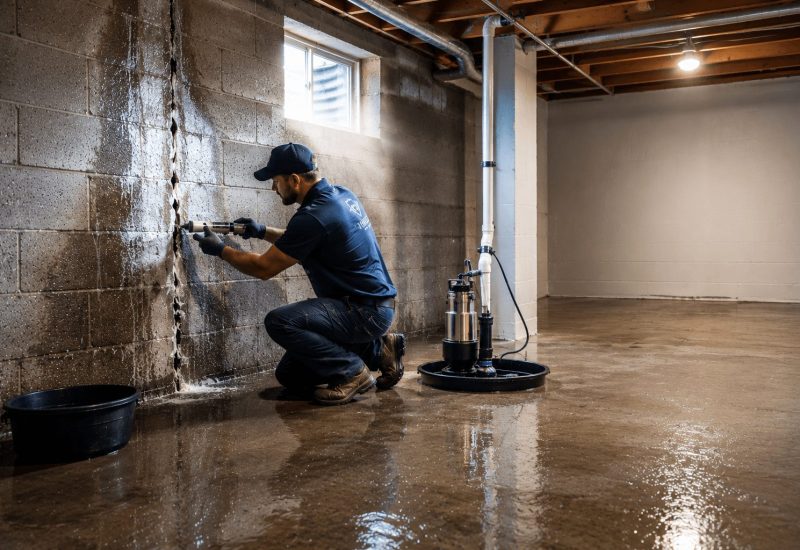
Dryshield Wet Basement Repair Gravenhurst

WHY SOME WET BASEMENTS KEEP COMING BACK AFTER PREVIOUS REPAIRS

One of the most common frustrations homeowners experience is seeing the same moisture problem return after they believed it had already been fixed. In many cases, this happens because the visible symptoms were addressed without identifying the conditions allowing moisture to reach the basement in the first place.

Water Doesn’t Always Appear Where It Enters

Moisture can travel behind finished walls, along foundation surfaces, and through hidden pathways before becoming visible.

Groundwater Conditions Continue To Change

Seasonal groundwater fluctuations can influence moisture activity around the home throughout the year.

Drainage Problems May Still Exist

Water collecting near the foundation can continue contributing to recurring dampness if drainage concerns remain unresolved.

Foundation Vulnerabilities Can Develop Over Time

Minor cracks, gaps, and aging materials can gradually create new pathways for moisture intrusion.

Long-Term Protection Requires A Complete Approach

Effective wet basement waterproofing strategies focus on reducing the factors contributing to moisture rather than simply treating visible symptoms.

The most dependable wet basement repair solutions begin with understanding why the basement is becoming wet and what conditions are allowing the problem to persist.

CLUES YOUR BASEMENT MOISTURE ISSUE IS BECOMING MORE SERIOUS

Basement moisture problems often provide warning signs before significant damage occurs. Recognizing these indicators early can help homeowners identify developing concerns and take action before repairs become more extensive. Many of these symptoms become more noticeable following periods of heavy rainfall, spring snowmelt, or prolonged wet weather in Gravenhurst.

Common Warning Signs

Observation 

What It May Indicate Recommended Next Step 
Damp Foundation Walls Ongoing moisture exposure 

Wet basement assessment 

Musty Odours 

Hidden dampness and humidity Moisture inspection 
Water Stains Recurring moisture activity 

Source investigation 

Condensation Build-Up 

Elevated basement humidity Moisture evaluation 
White Mineral Deposits Moisture moving through concrete 

Waterproofing review 

Persistent Wet Areas 

Active seepage concerns 

Professional inspection 


Many homeowners searching for wet basement repair near me first notice one or more of these warning signs before discovering the source of the problem. Identifying the cause early can help prevent a minor moisture issue from becoming a larger repair project.

WHICH WET BASEMENT REPAIR APPROACH WORKS BEST DEPENDS ON THE CAUSE

A wet basement can develop for several different reasons, which is why there is rarely a single repair solution that works for every property. Some Gravenhurst homeowners notice moisture appearing along foundation walls after periods of heavy rainfall, while others experience recurring dampness during spring snowmelt or seasonal groundwater fluctuations. In many situations, multiple conditions are contributing to the problem at the same time.

The most effective wet basement repair strategy begins with understanding how moisture is reaching the basement and identifying the factors allowing it to return. Addressing the source of the issue helps create more dependable long-term results while reducing the likelihood of recurring moisture concerns.

Foundation Moisture Repair

When moisture repeatedly affects foundation walls, targeted repair solutions can help reduce water intrusion and improve overall basement conditions.

Interior Water Management Systems

These systems help collect and redirect water before it spreads into finished areas, helping homeowners manage recurring seepage concerns.

Wet Basement Waterproofing Solutions

Wet basement waterproofing measures help improve resistance to moisture penetration while supporting long-term basement protection.

Drainage Corrections

Improving drainage performance around the property helps reduce water accumulation near foundation walls and lowers the risk of recurring dampness.

Property-Specific Repair Strategies

Every home responds differently to rainfall, groundwater activity, and foundation conditions. Recommendations are based on the specific challenges affecting the property.

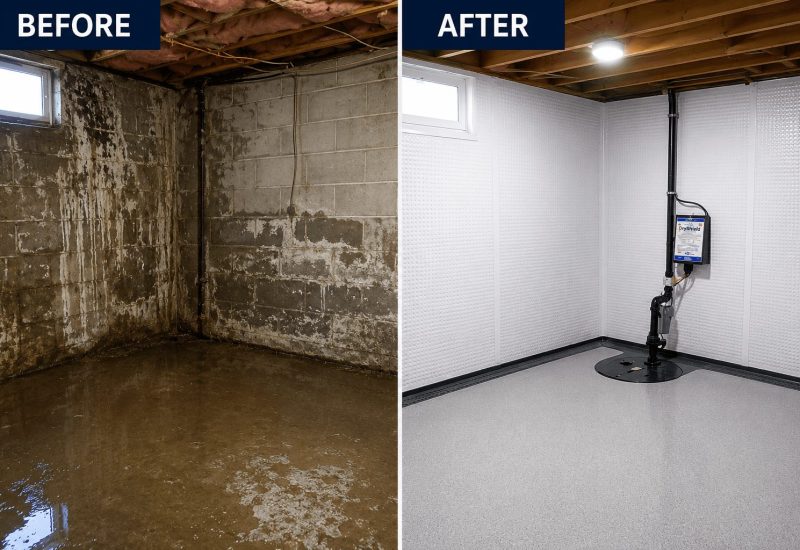
Wet Basement Repair Before After Gravenhurst

WHAT OTHER PROBLEMS OFTEN CONTRIBUTE TO A WET BASEMENT?

A wet basement is often connected to other conditions affecting the home’s foundation, drainage performance, and overall moisture management. While visible dampness may be the symptom homeowners notice first, the underlying cause can involve several contributing factors working together. Addressing these related issues often helps improve repair outcomes and reduce the likelihood of future moisture concerns.

The following services are commonly recommended alongside wet basement repair to help create a more complete moisture-control strategy.

Foundation Crack Repair

Foundation cracks can create pathways that allow moisture and water to enter below-grade spaces. Repairing these vulnerable areas helps reduce future water intrusion opportunities.

Interior Drainage Improvements

Proper drainage helps manage groundwater movement and reduce recurring seepage affecting basement walls and floors.

Sump Pump Protection Systems

A reliable sump pump system provides additional protection during periods of heavy rainfall, elevated groundwater levels, and seasonal thaw conditions.

Basement Waterproofing Measures

Additional waterproofing improvements help strengthen the basement’s resistance to moisture penetration and recurring dampness.

Humidity & Moisture Control Solutions

Managing excess humidity supports healthier indoor conditions and helps reduce the damp environment often associated with wet basements.

NOT SURE WHICH SOLUTION IS RIGHT FOR YOUR HOME?

Every property experiences moisture differently, which is why the best repair approach depends on the conditions affecting the basement. A professional assessment helps identify the source of the moisture, evaluate contributing factors such as groundwater activity, drainage performance, and foundation conditions, and determine which combination of services will provide the most effective long-term results.

 Schedule Your Free Property Inspection Today

HOW DRYSHIELD INVESTIGATES WET BASEMENT PROBLEMS

Every wet basement has its own set of contributing factors. Some homeowners experience seasonal dampness, while others deal with recurring moisture throughout the year. Because water can travel through hidden pathways before becoming visible, identifying the source requires more than simply looking at where moisture appears.

Dryshield begins by evaluating how moisture is affecting the basement and examining the conditions contributing to the problem. This approach helps ensure recommendations are based on the actual cause rather than the visible symptoms alone.

Step 1: Basement Condition Review

Visible signs of dampness, condensation, staining, seepage, and moisture activity are evaluated throughout the basement.

Step 2: Moisture Source Assessment

Potential water entry points, foundation conditions, groundwater influences, and drainage concerns are reviewed.

Step 3: Repair Strategy Development

Recommendations are prepared based on the property’s specific moisture challenges and long-term protection goals.

Step 4: Solution Implementation

Selected repair measures are completed to help reduce moisture intrusion and improve basement performance.

Step 5: Long-Term Protection Guidance

Additional recommendations may be provided to help homeowners maintain a drier basement environment moving forward.

WHY SOME WET BASEMENT REPAIRS LAST LONGER THAN OTHERS

Many homeowners have experienced situations where a wet area appears to improve temporarily, only to return after the next heavy rainstorm or spring thaw. In many cases, the difference comes down to whether the repair addressed the source of the moisture or simply treated the visible symptoms.

Long-lasting wet basement repair solutions focus on understanding how water is reaching the basement and reducing the conditions that allow moisture to repeatedly affect the space.

CHARACTERISTICS OF A MORE EFFECTIVE REPAIR STRATEGY
✔ Identifies the source of moisture intrusion✔ Considers groundwater and seasonal weather patterns
✔ Evaluates drainage conditions around the property✔ Addresses recurring basement seepage concerns
✔ Supports long-term foundation performance✔ Helps reduce future moisture-related repairs

A repair strategy designed around the cause of the problem often provides more reliable long-term results while helping homeowners avoid repeated moisture issues in the future.

Dryshield 25 Years

FREQUENTLY ASKED QUESTIONS

A basement can feel damp when excess moisture is present in the air or moving through foundation materials. Humidity, groundwater pressure, condensation, and minor seepage can all contribute to uncomfortable basement conditions without producing standing water.

Spring snowmelt can increase groundwater levels around the home. As the surrounding soil becomes saturated, additional moisture may place pressure on foundation walls and create conditions that contribute to basement dampness and seepage.

Excess moisture can affect cardboard boxes, furniture, seasonal decorations, tools, documents, and other stored belongings. Damp conditions may also contribute to musty odours and moisture-related deterioration over time.

Humidity refers to moisture present in the air, while seepage occurs when water moves through foundation walls, joints, or other vulnerable areas. Some basements experience one condition, while others may be affected by both simultaneously.

Moisture often accumulates in areas with reduced airflow, cooler surfaces, foundation vulnerabilities, or greater exposure to groundwater pressure. Corners, foundation walls, and wall-floor joints are commonly affected locations.

Yes. Moisture that repeatedly appears in the same location may indicate conditions affecting the foundation, drainage system, or surrounding soil. Identifying the source early can help prevent larger moisture-related concerns from developing.

Rainfall can increase moisture levels around the foundation and elevate basement humidity. Even if water is not visibly present, excess moisture can contribute to the musty smells commonly associated with damp basement environments.

Not always. The most appropriate solution depends on how moisture is reaching the basement and what factors are contributing to the problem. Some situations benefit from targeted repairs, while others may require more comprehensive wet basement waterproofing measures.

Because air naturally moves throughout a property, moisture originating in the basement can influence humidity levels and overall indoor comfort in upper living areas as well.

The best approach is to investigate the source before the problem becomes more extensive. Understanding how moisture is reaching the basement helps determine the most effective long-term repair strategy and reduces the risk of recurring issues.

Our Expert Waterproofing Services

Dryshield provides complete waterproofing and foundation protection solutions to keep your basement dry, safe, and structurally secure.

Call Us