By Jason Carillo, Production Manager · Updated July 2026 · 25+ years of experience · Serving Toronto, the GTA & cottage country
Why homeowners trust DryShield: Rated 4.9/5 from 282 Google reviews · 8-time HomeStars “Best of” winner · A+ BBB rating · $5M liability coverage, fully insured · Lifetime transferable warranty · Serving Toronto, the GTA, Southern Ontario & cottage country. Call 1-800-277-5411.


Key takeaways
- Worth it for most Ontario homes with moisture, musty air, or a vented crawl space.
- Pays back three ways: lower energy bills, avoided mould/rot/pest repairs, and higher resale value.
- Biggest savings are the repairs you never pay for — mould remediation and rotted joists cost far more than sealing up front.
- May not be worth it if the crawl space is genuinely dry and sealed — a vapour barrier can be enough.
- A free inspection is the only way to know for your specific home — call 1-800-277-5411.
On this page
- Is it worth it? The short answer
- Pros and cons
- Where the money comes back (ROI)
- Who it’s worth it for — and who can wait
- How to get a straight answer
- Frequently asked questions
“Is crawl space encapsulation worth it?” is really two questions: does it pay for itself, and do you need it? For the majority of Ontario homes — especially older builds and cottage-country properties on damp or clay-heavy ground — the answer is yes. But the honest answer depends on how wet your crawl space is today. Here is how the value actually adds up.
Is crawl space encapsulation worth it? The short answer
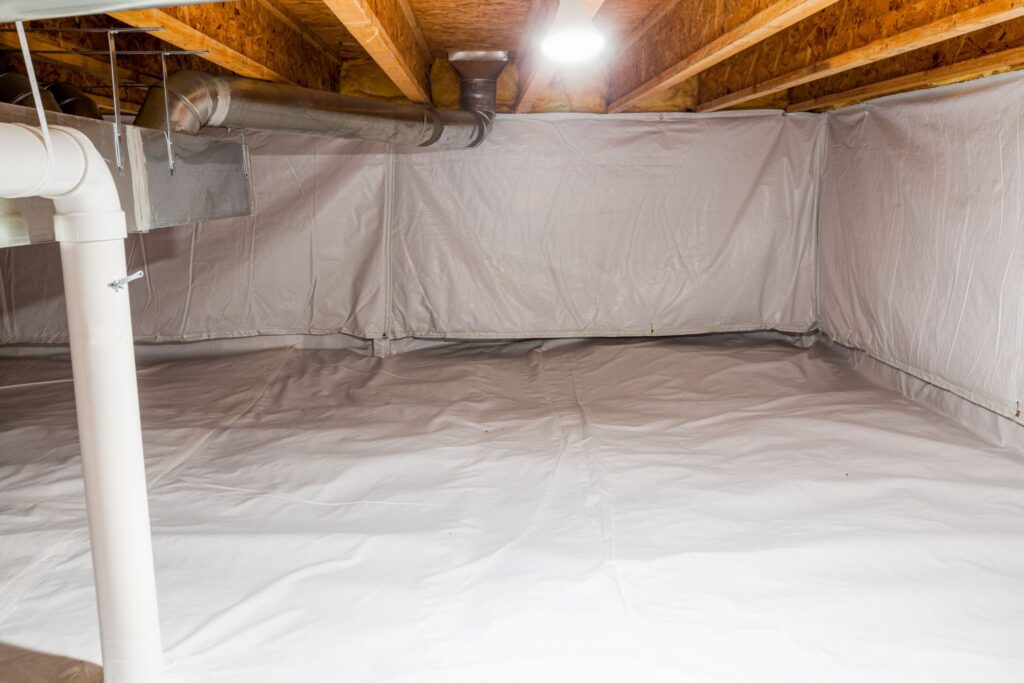
Yes — for most Ontario homes with a vented or moisture-prone crawl space, encapsulation is worth it. It converts a damp, unconditioned space that leaks humidity, heat and mould spores into your home into a sealed, dry, controlled one. The payback is partly in money you save (energy, comfort) and mostly in money you never have to spend (mould remediation, rotted framing, pest control). The exception is a crawl space that is already dry, sealed and problem-free — there, a basic vapour barrier may be all you need. Because roughly half the air on your ground floor is drawn up from the crawl space, what happens down there does not stay down there.
Pros and cons of crawl space encapsulation
A balanced look at the trade-offs before you commit:
| Pros | Cons |
|---|---|
| Stops ground moisture, condensation and musty odours | Meaningful upfront cost ($4,000–$15,000+) |
| Prevents mould, wood rot and pest damage to the structure | A full system may need a dehumidifier and drainage, adding cost |
| Lowers heating/cooling loss and warms ground-floor rooms | Not always necessary if the crawl space is already dry and sealed |
| Improves indoor air quality (less humidity, fewer allergens) | DIY liners rarely last or seal properly — usually needs a pro |
| Adds documented resale value with a transferable warranty | Will not fix an active flooding problem alone without drainage |
Where the money comes back (the ROI)
Encapsulation earns its cost back in three ways. The exact payback depends on your home’s size, current moisture problem and energy use, but the pattern is consistent:
- Lower energy bills & warmer floors: sealing and insulating a vented crawl space cuts heat loss through the floor above, typically trimming heating and cooling costs and making ground-floor rooms noticeably warmer in winter.
- Avoided repairs (the big one): a dry, sealed crawl space stops the moisture that feeds mould, wood rot and pests. Remediating mould (often $3,000+) or replacing rotted joists and subfloor ($10,000–$25,000+) costs far more than encapsulating up front.
- Higher, easier resale: a dry crawl space backed by a transferable lifetime warranty removes a common red flag for buyers and home inspectors, and is a documented improvement.
Who crawl space encapsulation is worth it for — and who can wait
It is clearly worth it if you have: a musty smell in the house, visible condensation or standing water, mould or efflorescence on the walls, cupping or soft floors above, high summer humidity, or an older/cottage home with open foundation vents. You may be able to wait if your crawl space is genuinely dry, already has an intact sealed liner, shows no odour or mould, and has never had water intrusion — in that case a quality vapour barrier can be enough. For a deeper comparison, see our guide on crawl space encapsulation vs. a vapour barrier.
How to get a straight answer for your home
- Free on-site inspection — we measure the space and find the actual moisture source.
- Diagnostic audit — we separate “dry, a barrier will do” from “wet, needs a full system,” so you only pay for what solves the problem.
- Fixed-price proposal — a written quote with warranty terms, and typical pricing on our crawl space encapsulation cost page.
Explore our full crawl space encapsulation service, or call 1-800-277-5411 for a free assessment across Toronto, the GTA, Southern Ontario and cottage country.
Frequently asked questions
What are the pros and cons of crawl space encapsulation?
The main pros are a dry, mould-free crawl space, lower energy loss, warmer floors, better indoor air quality and added resale value with a transferable warranty. The cons are the upfront cost ($4,000–$15,000+), the fact that a full system may need drainage and a dehumidifier, and that it is not always necessary if the crawl space is already dry and sealed.
What are the downsides or negatives of crawl space encapsulation?
The real downsides are cost and scope: a proper system is a meaningful investment, and if you have active water you also need drainage and a sump, not just a liner. Cheap DIY liners often tear, trap moisture, or seal poorly, which can make things worse. Done properly by a professional, encapsulation has few downsides for a moisture-prone crawl space.
Does crawl space encapsulation increase home value?
Yes. A dry, professionally encapsulated crawl space with a transferable lifetime warranty is a documented improvement that removes a common red flag for buyers and home inspectors. It signals the home has been protected against moisture, mould and structural damage, which can help it sell faster and support a higher price, especially for older and cottage-country homes.
How much can crawl space encapsulation save on energy bills each year?
Savings vary by home, but sealing and insulating a vented crawl space commonly trims annual heating and cooling costs because you stop losing conditioned air and heat through the floor. The bigger comfort win is warmer ground-floor rooms in winter. Energy savings alone rarely pay for the system quickly — the larger return is the costly repairs it prevents.
What is the payback period for crawl space encapsulation?
There is no single payback period because most of the value is avoided cost, not cash back. Energy savings are gradual, but preventing a single mould remediation ($3,000+) or a rotted-joist repair ($10,000–$25,000+) can offset the entire project at once. For a wet or musty crawl space, encapsulation usually pays for itself the first time it prevents a major repair.
Is crawl space encapsulation necessary or just nice to have?
It is necessary when the crawl space is damp, musty, mould-affected, or vented to humid outside air — because those conditions steadily damage the structure and the air you breathe. It is closer to nice-to-have only when the space is already dry, sealed and problem-free. A free inspection is the reliable way to tell which category your home falls into.
What are the cheaper alternatives to full crawl space encapsulation?
The main cheaper alternative is a quality vapour barrier over the floor, which slows ground-moisture evaporation but does not seal the walls, control humidity, or stop humid air. It suits a genuinely dry crawl space. Spray foam addresses insulation but not moisture. For a damp space, these partial fixes often cost more over time than doing a proper encapsulation once.
Do home buyers and inspectors care about crawl space encapsulation?
Yes. Home inspectors routinely flag wet, mouldy or vented crawl spaces, and buyers treat them as a red flag and negotiating point. A clean, encapsulated crawl space with documentation and a transferable warranty reassures both, removes an inspection objection, and shows the home has been proactively maintained — which protects your sale price.
Can I skip encapsulation if my crawl space looks dry?
Maybe — but looks dry can be misleading. Crawl spaces are often driest in the season you check and damp the rest of the year, and condensation can form without any visible water. If there is no musty smell, no mould, an intact seal and no history of intrusion, a vapour barrier may be enough. When in doubt, a free assessment measures humidity so you are not guessing.
Is crawl space encapsulation worth it for an older home?
Often yes. Older Ontario homes frequently have open foundation vents, no vapour barrier, and decades of accumulated ground moisture — exactly the conditions that cause rot, mould and pest problems. Encapsulation protects aging framing and improves comfort and air quality, and it is a strong selling point when an older home goes on the market.
Will crawl space encapsulation pay for itself?
For a moisture-prone crawl space, usually yes — mostly by preventing expensive damage rather than through cash savings. Avoiding one mould remediation or a section of rotted subfloor can cover the cost, and you also gain energy savings, comfort and resale value on top. For an already-dry space, the financial payback is smaller, which is why an inspection matters.
Is it worth encapsulating a crawl space I rarely use, like a cottage?
Frequently yes. Cottage and seasonal crawl spaces sit unheated and unattended for long stretches, so moisture, condensation and pests build up unchecked — and problems are often discovered only after damage is done. A sealed, humidity-controlled crawl space protects the structure year-round, including the months the property is empty. See our cost guide for cottage-country pricing.
What our Ontario customers say
DryShield is rated 4.9/5 from 282 verified Google reviews across Toronto, the GTA, Southern Ontario and cottage country.